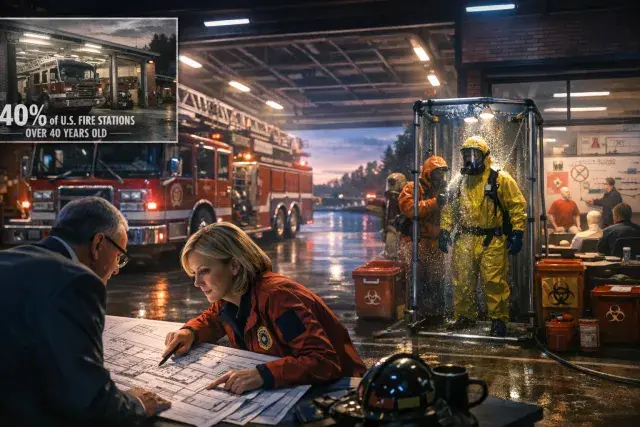
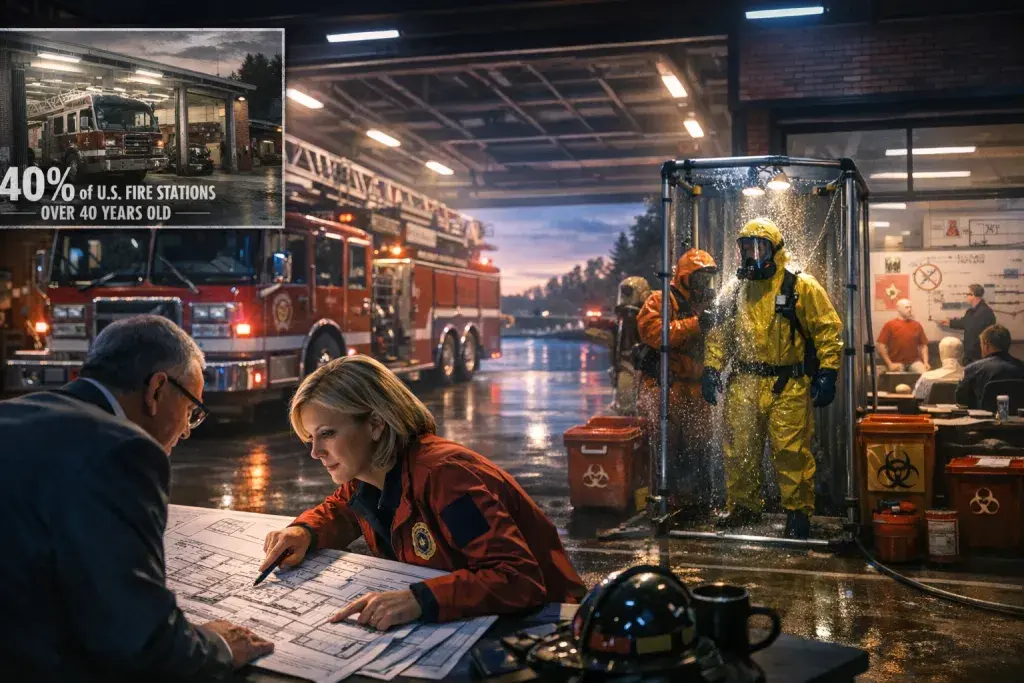
In Elk River, Minnesota, city officials have outlined detailed plans for a new fire station designed to meet contemporary emergency response demands. Featuring ample equipment storage, expansive training classrooms, appropriately sized decontamination areas, and drive-through apparatus bays, this project addresses critical gaps in the current aging infrastructure, promising enhanced community safety and faster response times.
Key Features Tailored for Today's Firefighting Needs
The proposed fire station prioritizes functionality in an era of oversized apparatus and complex hazards. Drive-through bays accommodate modern ladder trucks and pumpers, allowing seamless deployment without reversing, which shaves precious minutes off response times during crises.
- Sufficient space for expanding equipment inventories, including drones and specialized rescue gear.
- Large classrooms for firefighter training and public education programs on fire prevention and CPR.
- “Appropriately sized” decontamination zones to handle chemical, biological, or hazmat exposures efficiently, a nod to rising industrial and environmental risks.
Rendered by CNH Architects, these elements reflect best practices in station design, ensuring scalability as Elk River grows.
Background: Replacing an Aging Facility
Elk River's current fire station, plagued by space constraints and outdated layout, struggles with today's realities. Built decades ago, it lacks room for larger vehicles—now standard due to urban sprawl and high-rise developments—and proper decon facilities amid increasing opioid overdoses and chemical spills. This upgrade stems from a comprehensive needs assessment, highlighting how many U.S. municipalities face similar dilemmas: 40% of fire stations nationwide are over 40 years old, per NFPA data, compromising operational efficiency.
Broader Implications for Community Resilience
Beyond immediate fixes, the new station aligns with national trends toward resilient public safety infrastructure. Enhanced training spaces will foster community programs, potentially reducing fire incidents by 20-30% through education, as seen in comparable Midwest cities. Decon capabilities prepare for worst-case scenarios like active shooter events or pandemics, integrating mental health support for responders. As climate-driven wildfires and floods intensify, such forward-thinking investments safeguard lives and property, setting a model for small cities balancing budgets with bold preparedness.