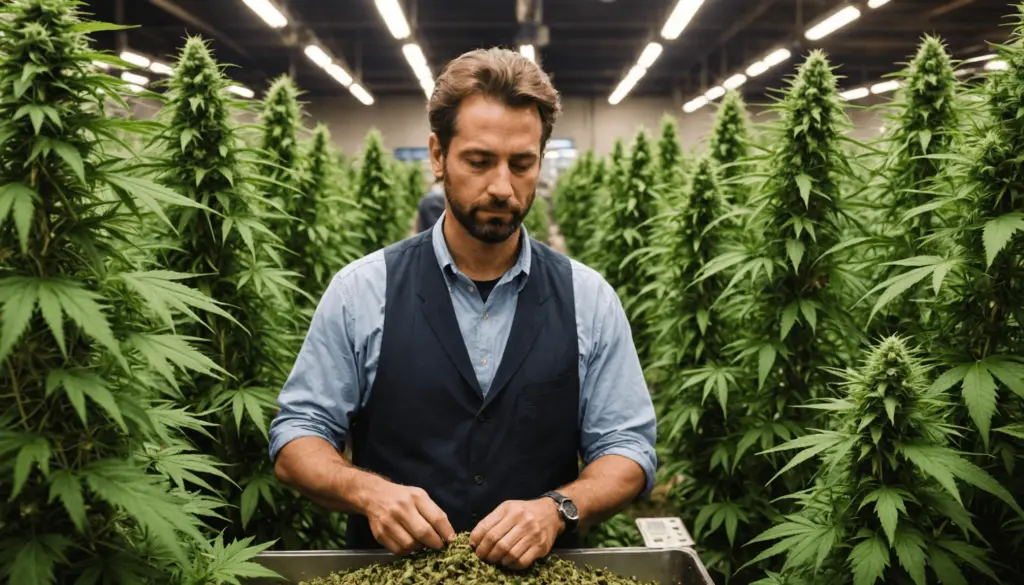
A federal deadline this December could reshape a Pennsylvania hemp market that operators estimate generates roughly a billion dollars a year in the state. Lawmakers in Washington are weighing whether to close what's often called the hemp loophole - the provision, tied back to the 2018 Farm Bill, that let hemp-derived products containing trace amounts of Delta-9 THC move through retail channels largely outside the tighter licensing structure that governs adult-use cannabis. For a Lancaster County farmer and retailer like Jake Sitler, that deadline isn't an abstraction. It's a business continuity question.
Sitler, who founded the hemp wellness brand Endo and now serves as president of the Pennsylvania Hemp and Cannabis Guild, is opening storefronts in Lancaster and Marietta even as the regulatory ground shifts under him. His product lineup - beverages, gummies, topicals - leans on CBD as the primary cannabinoid but does contain Delta-9 THC along with minor cannabinoids, which is precisely the category regulators are scrutinizing. That distinction matters operationally: unlike state-licensed adult-use dispensaries, which track every unit through seed-to-sale systems tied to state traceability platforms, many hemp retailers have operated with far lighter compliance infrastructure. Operators watching neighboring frameworks sometimes point to more mature markets - a licensed cannabis seed to sale erp maine deployment, for instance - as a preview of what hemp businesses may eventually be required to adopt if Congress or Harrisburg imposes stricter oversight. cannabis seed to sale erp maine
Why the Loophole Existed - and Why It's Closing
The 2018 Farm Bill legalized hemp and hemp derivatives with less than 0.3% Delta-9 THC by dry weight, a threshold that sounds precise on paper but in practice left room for manufacturers to formulate intoxicating beverages and edibles that stayed technically compliant while still delivering a psychoactive effect. That's the "wild west" dynamic Pennsylvania lawmakers keep referencing. No age-verification mandate, no uniform lab testing standard, no statewide packaging requirement comparable to what adult-use dispensaries must meet. Congress recently moved to narrow that gap, and the pending deadline would force a decision: tighter federal rules, or an outright ban on the hemp-derived cannabinoid products that now stock convenience stores, gas stations, and specialty shops statewide.
What's at Stake for Compliance and Small Business
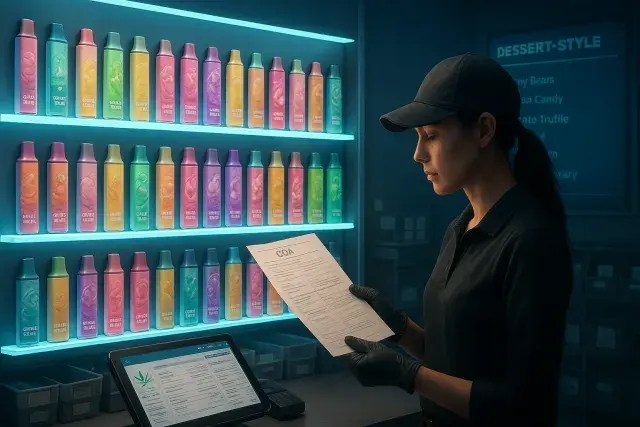
Pennsylvania Attorney General Dave Sunday has framed his concern around the absence of regulatory guardrails - not the plant itself, but the fact that companies can manufacture intoxicating products without the certificate-of-analysis requirements, potency caps, or child-resistant packaging rules that licensed cannabis operators must follow. That's a fair distinction for the industry to sit with. Sitler says he already posts 21-and-over signage and supports regulation; his argument isn't against oversight but against a blanket ban that would hit compliant operators and hemp farmers alongside bad actors.
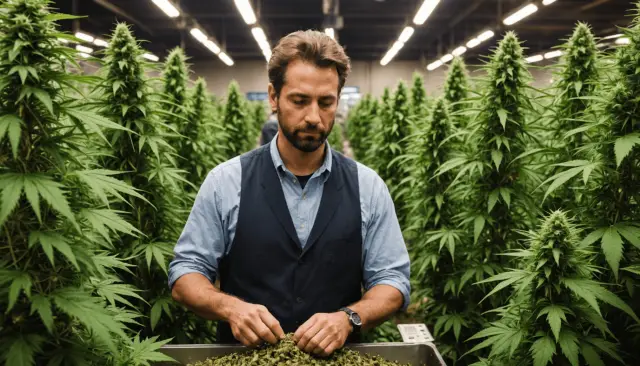
- Farmers growing hemp for fiber, grain, or cannabinoid extraction face crop and contract risk if federal law shifts abruptly.
- Retailers without state-grade seed-to-sale tracking may struggle to prove compliance quickly if new rules land.
- Wholesale buyers and brand partners could see supply disruption if federal restrictions outpace state-level guidance.
The Compromise Operators Are Pushing
What Sitler and the Pennsylvania Hemp and Cannabis Guild are lobbying for isn't the status quo - it's a middle path that preserves agricultural production while layering in the kind of consumer protections adult-use cannabis already carries: verified lab testing, standardized labeling, and age-gating enforced at point of sale. Whether Congress lands there before the December deadline, or opts for a harder ban, will determine whether Pennsylvania's hemp sector operates next year as a regulated retail category or largely disappears from shelves.