TSRgrow has rolled out a significant update to GROWHub, the software platform that governs its LED lighting and Remote Power systems, adding analytics, energy monitoring, batch-record tools, Metrc integration and building management connectivity. The 2026 release pulls cultivation control, environmental data and compliance recordkeeping into one system rather than leaving operators to reconcile separate tools. For commercial growers, that consolidation addresses a problem that has quietly dogged the industry for years: too much operational data, scattered across too many disconnected platforms.
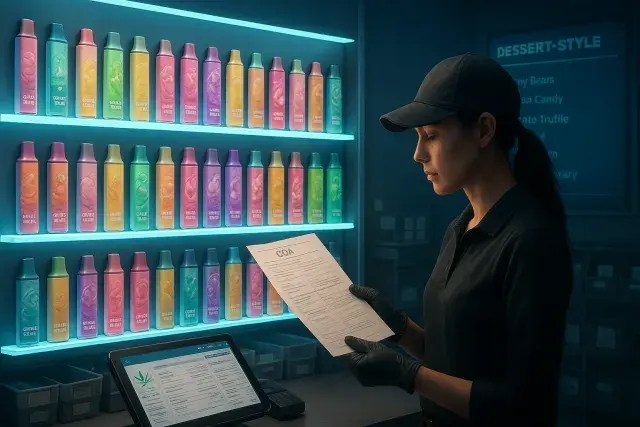
Cultivation facilities generate an enormous amount of information over a single crop cycle - lighting intensity, photoperiod schedules, energy draw, environmental readings, batch identifiers, harvest weights. Historically, much of that has lived in separate spreadsheets, standalone controllers or paper logs, which makes it hard to reconstruct exactly what happened during a grow when regulators or auditors come asking. Compliance software generally, and platforms comparable to a seed to sale software connecticut operators might use for retail tracking, has already pushed the retail side of the business toward centralized, traceable recordkeeping; cultivation has lagged behind. GROWHub's expansion is an attempt to close that gap on the grow side, not just the sales side.
Why batch records and Metrc integration matter now
Track-and-trace systems like Metrc exist to give state regulators a continuous chain of custody from seed to sale, and cultivators are required to log plant counts, movements and destruction events with a level of precision that leaves little room for error. The trouble is that Metrc alone doesn't capture the operational context behind those data points - why yield dipped in one room, or which lighting recipe correlated with a stronger cannabinoid profile on the certificate of analysis. Expanded batch-record functionality in GROWHub ties cultivation settings and conditions directly to specific crop cycles, then connects that record to the regulatory trail already required by Metrc. In practice, that means an operator facing an audit isn't stitching together grow logs, spreadsheets and track-and-trace exports from three different systems under deadline pressure.
That kind of integration is becoming more relevant, not less. As federal rescheduling discussions continue and states tighten reporting expectations, cultivators should expect more scrutiny of production records, not less. Operators who can produce a clean, timestamped history of how a batch was grown will be in a better position during inspections than those relying on manual recordkeeping stitched together after the fact.
Energy data as a facility management issue
Indoor cultivation is an energy-intensive business, full stop. Lighting, HVAC and dehumidification represent some of the largest recurring costs a facility carries, and utility rates in many cannabis markets are only trending upward. By linking energy monitoring directly to Remote Power infrastructure and, now, to broader building management systems, GROWHub gives operators a way to see energy consumption alongside cultivation performance rather than as a separate utility bill reviewed weeks later. That matters for margin management in a sector where 280E tax treatment already limits what operators can deduct, making every operational efficiency gain carry outsized weight on the bottom line.
What this signals for cultivation technology broadly
GROWHub's shift from a lighting-control tool toward a fuller cultivation intelligence platform reflects a pattern playing out across the supply chain: point solutions are consolidating into connected systems because operators are tired of managing production the hard way, one disconnected dashboard at a time. Whether that consolidation actually reduces labor and compliance risk will depend on execution - integration promises are easy to announce and harder to deliver cleanly across diverse facility setups. Still, the direction is consistent with where regulated cannabis production needs to go: toward recordkeeping that's built into daily operations rather than bolted on afterward.