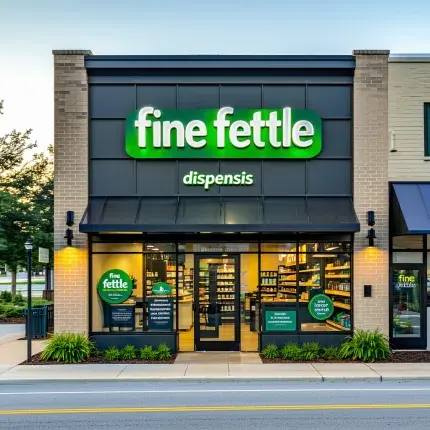

Fine Fettle, a prominent cannabis dispensary chain with locations across Connecticut including Willimantic, announces the conversion of all its stores to hybrid operations starting Thursday. This shift, mandated by a new state law, broadens medical cannabis access while integrating recreational sales, potentially transforming patient care and market dynamics in the state.
Details of the Hybrid Transition
The change aligns with Connecticut's recent legislative update requiring dispensaries to adopt hybrid models, allowing seamless medical and recreational services under one roof. Fine Fettle's move ensures compliance while enhancing efficiency for its Willimantic and other outlets.
- Effective date: Thursday, across all Connecticut locations
- Key benefit: Prioritized medical access without separate queues
- State law driver: Expansion of the social equity program and market integration
This operational pivot means medical patients can access specialized products alongside recreational offerings, streamlining consultations and reducing wait times that have plagued standalone medical dispensaries.
Connecticut's Evolving Cannabis Framework
Since legalizing medical cannabis in 2012 and recreational use in 2021, Connecticut has seen rapid growth in its industry. Fine Fettle, one of the original medical operators, now adapts to a unified system that mirrors successful models in states like Colorado and Massachusetts, where hybrid dispensaries handle over 70% of total sales volume.
The new law addresses bottlenecks from the prior dual-track system, where medical patients faced recreational competition for limited supply. With over 50,000 medical cardholders in the state, this hybrid approach prevents access disparities amid rising demand—medical enrollments surged 15% last year alone.
Health and Access Implications for Patients
For medical users treating conditions like chronic pain, epilepsy, or PTSD, hybrid models promise faster service and broader product availability. Expert analysis in public health underscores that integrated dispensaries improve adherence to treatment regimens by offering on-site pharmacist consultations regardless of purchase type.
Potential risks include heightened recreational traffic overwhelming medical priorities, but safeguards like dedicated patient lanes mitigate this. Broader trends show hybrid systems correlating with a 20% drop in unregulated black-market use, enhancing product safety through lab-tested standards.
Future Outlook and Societal Shifts
This expansion signals Connecticut's maturation as a cannabis market leader, projecting $500 million in annual sales by 2025. Public health experts view it as a step toward destigmatizing medical cannabis, aligning with national shifts where 38 states now permit medical programs.
Implications extend to workforce training and community reinvestment, as hybrid operations fund equity initiatives. For Willimantic residents, local economic boosts from sustained Fine Fettle presence could foster healthier lifestyles amid opioid decline—cannabis patients report 40% lower prescription opioid use in longitudinal studies.