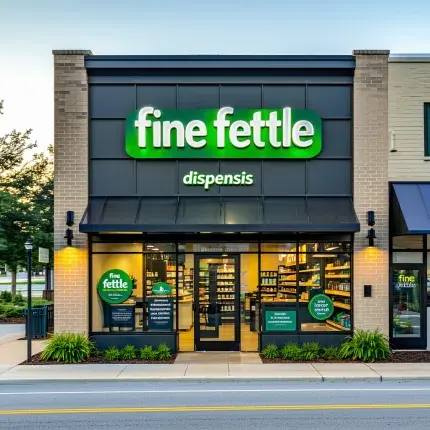

In Hartford, Conn., Fine Fettle's nine cannabis dispensaries begin serving both medical patients and adult-use customers this Thursday, thanks to a new state law. This shift to hybrid facilities promises greater equity in cannabis access, bridging gaps in medical care amid Connecticut's evolving recreational market.
Key Developments in the Transition
Fine Fettle, a multi-state operator with locations in Manchester, Norwalk, Old Saybrook, Waterbury, West Hartford, and others, has fully converted its Connecticut sites to hybrid models. Company COO Benjamin Zachs emphasized efficiency and compassion, noting the change fulfills their mission without compromising quality.
- All nine sites now cater to Connecticut Medical Marijuana Program patients alongside recreational buyers.
- Recent regulations allow recreational retailers to integrate medical services seamlessly.
- Fine Fettle also operates in Massachusetts and Georgia, signaling broader expansion potential.
Background on Connecticut's Cannabis Evolution
Connecticut legalized adult-use cannabis in 2021, but medical programs lagged in accessibility, especially in underserved areas. The new legislation addresses this by permitting hybrid dispensaries, responding to patient complaints about travel burdens and limited options. This mirrors national trends where states like New Jersey and New York have prioritized dual-use models to stabilize markets and support public health initiatives.
Medical cannabis, proven effective for chronic pain, anxiety, epilepsy, and nausea in numerous studies, has seen demand surge post-legalization. Yet, pure medical outlets struggled against recreational competition, prompting reforms to prevent program erosion.
Implications for Health Equity and Market Stability
This hybrid pivot boosts equity by reducing travel for patients—many in rural or urban fringes previously faced long drives. Zachs highlighted how it strengthens Connecticut's medical framework, potentially lowering black-market reliance and improving outcomes for conditions like PTSD and chemotherapy side effects.
- Patients gain priority access, expertise-driven consultations, and consistent supply.
- Recreational users benefit from expanded, regulated options amid rising demand—Connecticut's legal sales hit $500 million in the first two years.
- Risks like over-commercialization are mitigated by maintaining medical standards.
Broader societal shifts toward destigmatizing cannabis as a wellness tool align here, fostering safer consumption and economic growth through jobs and taxes.
Outlook: A Model for National Reform
With legislative and Department of Consumer Protection support, Fine Fettle's move sets a precedent. Expect more operators to follow, enhancing public health infrastructure. As cannabis normalization accelerates—projected U.S. market at $50 billion by 2026—this ensures medical patients aren't sidelined, promoting inclusive, evidence-based care.