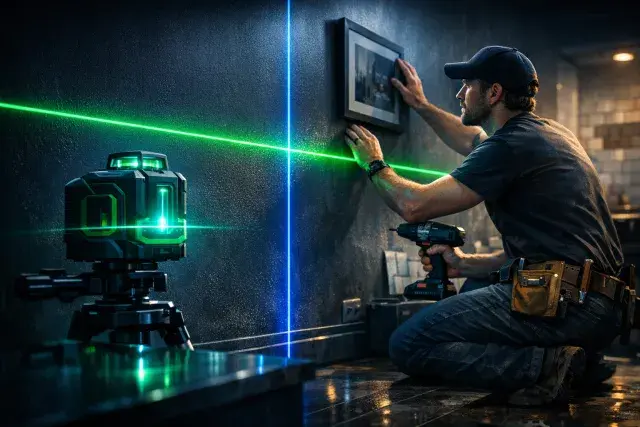
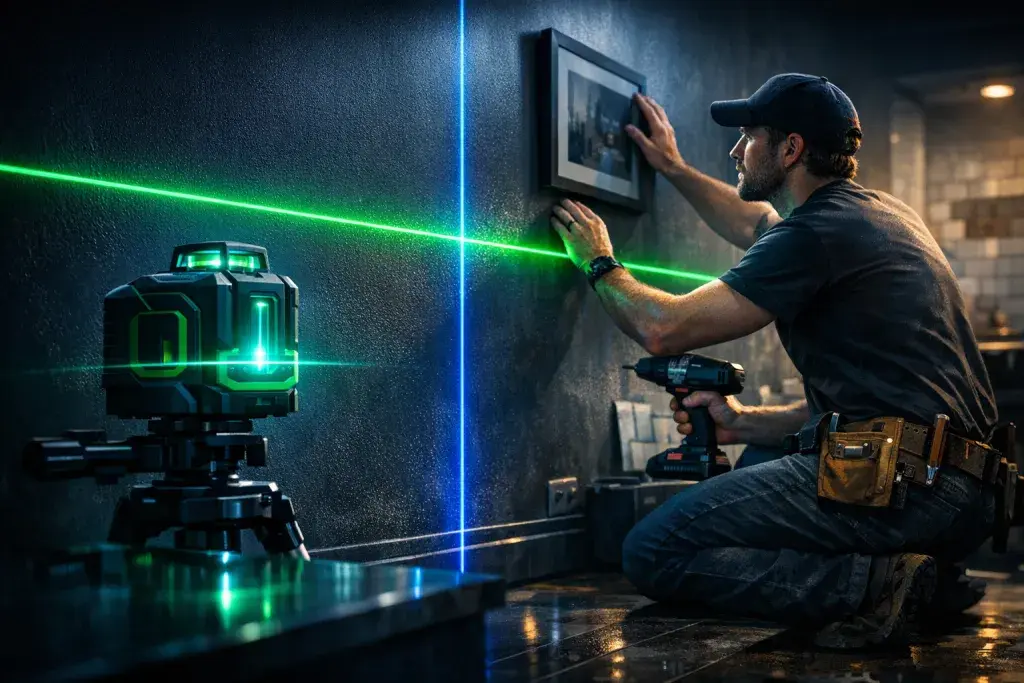
A laser level stands out as an essential tool for anyone undertaking home improvement tasks, ensuring shelves hang straight and frames align perfectly. Crooked installations frustrate homeowners and undermine the satisfaction of a finished project. After testing 31 models for accuracy, performance, and ease of use, clear patterns emerge in what separates reliable tools from the rest.
Why Laser Levels Outperform Traditional Methods
Laser levels project a visible beam of light onto surfaces, creating a straight reference line across distances that bubble vials in standard levels cannot match without constant readjustment. This technology relies on a pendulum or electronic sensors stabilized by gravity or self-leveling motors, casting red or green lines—green lasers appear brighter over longer ranges due to the human eye's sensitivity to that wavelength. Homeowners once relied on string lines or spirit levels for tasks like installing cabinetry or laying tile, but these methods falter on large walls or uneven floors where maintaining a true horizontal or vertical proves challenging.
Key Factors Tested in 31 Models
Accuracy forms the foundation: top performers maintain level within a fraction of a degree over 30 feet, resisting vibrations or minor bumps during setup. Performance includes battery life, with some models lasting 20 hours on rechargeable packs, and visibility in varied lighting, where pulsed modes cut through ambient glare. Ease of use hinges on intuitive mounts—magnetic bases grip metal studs firmly—and one-button operation that avoids fiddly knobs. Models with 360-degree projections cover entire rooms without repositioning, while compact designs fit in tool bags for quick jobs like hanging doors.
Risks of Imprecise Tools and Safe Choices
Installing fixtures off-level leads to structural stress, such as doors that bind or floors that drain unevenly, potentially causing water damage over time. Inadequate visibility forces users to work in poor conditions, raising accident risks from ladders or power tools. Select levels certified for IP54 dust and water resistance endure job site hazards, and those with locking mechanisms hold angles for sloped installations like ramps. Future designs may incorporate Bluetooth apps for remote adjustments, expanding utility in smart homes.
Practical Impact on Everyday Projects
These tools democratize professional-grade results, turning weekend warriors into confident builders without years of trade experience. Broader adoption reflects a cultural shift toward DIY maintenance amid rising contractor costs and supply chain delays. A well-chosen laser level not only saves time but builds lasting competence, encouraging more ambitious renovations that enhance home value and personal satisfaction.