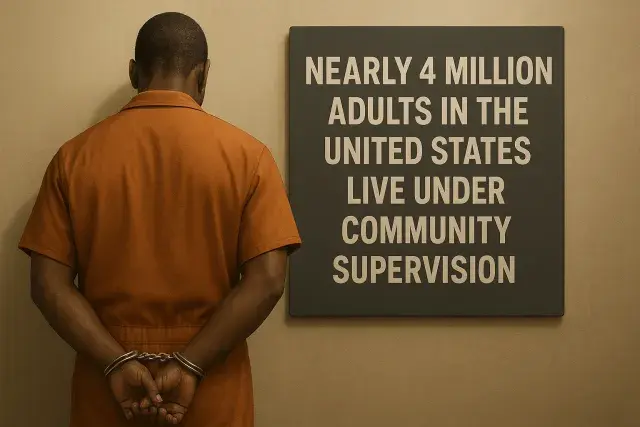
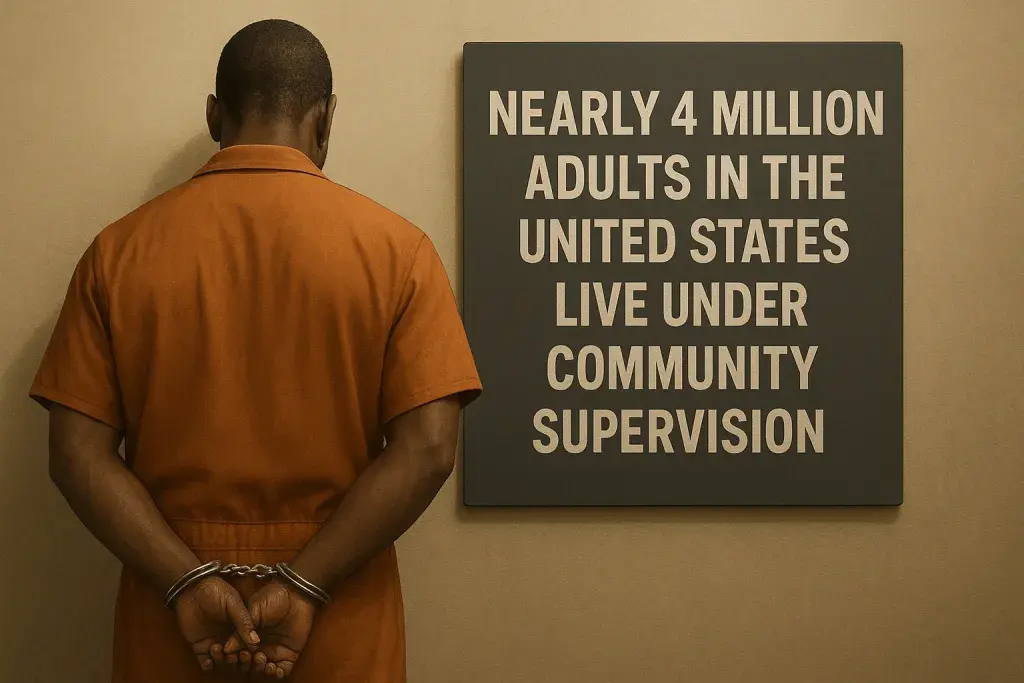
Nearly four million adults in the United States are on probation or parole right now - a population almost double the number sitting in jails and prisons combined. Many of them carry chronic conditions that state law recognizes as qualifying for medical marijuana. Yet a positive drug screen, even one tied to a doctor-recommended treatment plan, can trigger a technical violation and send someone back into custody. That contradiction sits at the center of a growing policy debate that touches dispensary operators, compliance officers, and state regulators alike.
For dispensary operators, this isn't an abstract legal puzzle. Registered patients under supervision are still customers, still subject to purchase limits, product tracking, and age verification like anyone else walking into a licensed store. But the transaction record itself - logged through seed-to-sale systems and point-of-sale terminals - can become evidence used against a patient in a probation hearing. A dispensary in a state without statutory protections has no way to shield a supervisee from that risk, even if the sale was entirely lawful. Retail technology platforms, including a Rhode Island dispensary POS platform, already track purchase history, product batch data, and patient registration status for compliance purposes; the question is whether that same data infrastructure should also be doing double duty as surveillance for a parole officer. Rhode Island dispensary POS platform
Why Supervision Policy Undercuts State Medical Marijuana Law
Forty-seven states now permit medical marijuana in some form, according to the context this policy debate rests on, yet supervision conditions frequently override that access. Courts and parole boards often impose blanket abstinence requirements as a default, regardless of whether an individual holds a valid medical card. That practice puts state corrections policy at odds with state health policy - two arms of the same government pulling in opposite directions. In practice, though, this isn't just a fairness problem. It's an operational one for licensed retailers who serve registered patients and have no visibility into a customer's legal status beyond their medical card.
The Fiscal Argument Regulators Can't Ignore
States spent an estimated $3 billion in 2023 incarcerating people for technical violations involving no new criminal conduct - the same bucket a positive marijuana test typically falls into. That's a budget line finance committees and corrections departments have started scrutinizing hard. Reincarceration for a compliance slip, not a crime, is an expensive way to manage a caseload, and it strains supervision systems that are already understaffed. For an industry built on regulated, taxed, lab-tested products, this is a case where cannabis retail's compliance infrastructure - COAs, batch tracking, purchase logs - actually offers a model of accountability that supervision policy has yet to catch up to.
State Frameworks Point Toward a Fix
A handful of states have already built workable middle ground. Minnesota, Missouri, Connecticut, New York, and Colorado require individualized assessments before a court can bar a supervisee from the medical marijuana market, rather than applying a blanket ban. Appellate courts in Pennsylvania, Michigan, and Arizona have struck down categorical prohibitions as inconsistent with their own medical marijuana statutes. And corrections agencies in Washington, Florida, and Minnesota have adopted administrative policies allowing registered patients to continue treatment while under supervision, without waiting for legislation.
- Individualized judicial review instead of automatic exclusion
- Appellate rulings limiting blanket abstinence conditions
- Administrative corrections policies permitting registered patient use
- Alignment pressure from federal rescheduling discussions
What Rescheduling Means for the Gap
Federal movement toward rescheduling marijuana from Schedule I to Schedule III would formally recognize its medical value at the federal level, layering onto the recognition many states already extend. That makes the remaining state-level supervision restrictions harder to justify on policy grounds. For dispensary compliance teams, wholesale suppliers, and software vendors building patient registries, the direction is clear enough: systems built to track compliance for regulators should not become the mechanism that criminalizes lawful medical use for the people supervision is meant to help reintegrate.