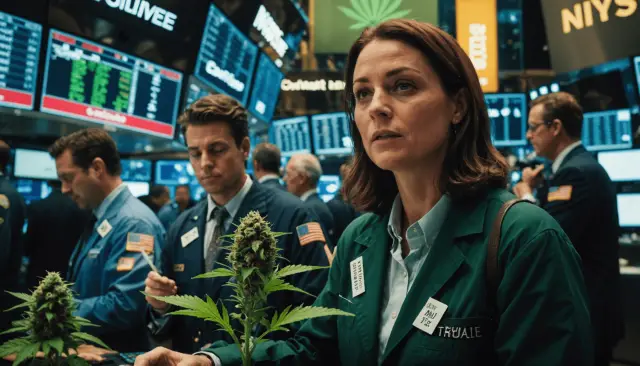
The AdvisorShares Pure US Cannabis ETF (MSOS) has climbed to its highest levels of 2026, a rally driven by a mix of regulatory anticipation and one landmark corporate event. As of May 31, the fund posted a 103.7% one-year net asset value return, dwarfing the North American Marijuana Index's 36.9% gain and the S&P 500's 29.8%. With $1.13 billion in assets under management as of June 5, MSOS has become the clearest proxy for how investors are pricing federal cannabis reform.
Trulieve Cannabis, MSOS's largest holding at roughly 30% of assets, began trading on the NYSE this week under the ticker TRLV - a move CEO Kim Rivers called a "historic milestone." The listing followed a corporate restructuring that separated the company's medical cannabis operations from its adult-use business, a maneuver that cleared the compliance bar required for a senior exchange listing. For multi-state operators watching from the sidelines, the message is clear: uplisting is no longer theoretical, and the operational plumbing behind it - from banking relationships to point-of-sale infrastructure like the kind offered through cbd store point of sale software michigan - matters more than ever as companies prepare their books for institutional scrutiny.
The DEA Hearing Operators Are Watching
A June 29 administrative hearing will determine whether cannabis products beyond medical marijuana should move to Schedule III. The proceeding is expected to run through mid-July. This isn't a minor procedural footnote - it's the mechanism that could finally unwind the tax burden under Section 280E, which has long forced plant-touching cannabis businesses to pay federal taxes on gross revenue rather than net income, since they can't deduct ordinary expenses like payroll, marketing or rent.
The groundwork was laid in April, when Acting Attorney General Todd Blanche moved state-licensed medical marijuana products into Schedule III, a step that already eliminated 280E penalties for medical-only operators. Trump's move to formally nominate Blanche for the permanent attorney general role only reinforced investor confidence that rescheduling momentum won't stall. For operators running vertically integrated businesses across cultivation, processing and retail, the tax relief alone could reshape balance sheets - freeing up capital that's currently locked into inflated tax bills rather than reinvested into compliant packaging, lab testing infrastructure or wholesale expansion.
Capital Access Is the Real Story
Rescheduling wouldn't just ease tax pressure - it would open doors to banking services, institutional capital and uplisting opportunities that have been effectively closed to plant-touching cannabis companies for years. Cresco Labs' recent $50 million revolving credit facility from Needham Bank is an early signal of what's coming. CEO Charlie Bachtell described it as a "powerful, non-dilutive tool" to fund acquisitions while positioning the company for U.S. capital markets access. That's not a small thing in an industry where dispensary operators have historically relied on high-interest private debt or dilutive equity raises just to keep budroom inventory stocked and payment systems running.
Roth Capital called the rescheduling order "extremely favorable" for the sector, and the reasoning tracks: better tax treatment, broader banking access and a credible path to senior exchange listings all compound on each other. Tilray Brands, though not part of MSOS, has already signaled it may use proceeds from its at-the-market program to pursue acquisitions - evidence that even companies outside the direct plant-touching space are positioning for a different regulatory environment.
Where the Upside - and the Risk - Sits
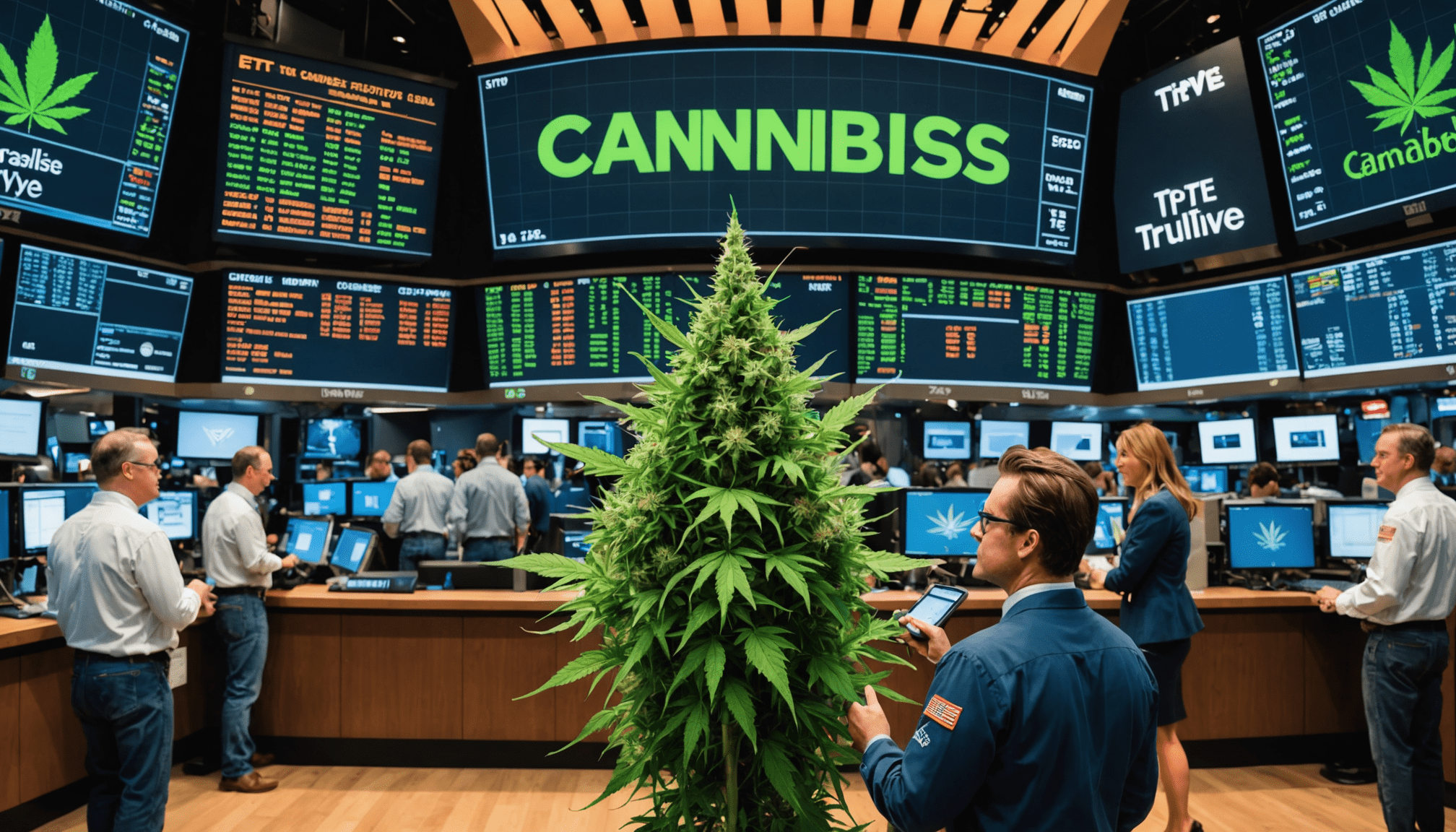
Trulieve may be the headline name, but it's not where analysts see the biggest potential gains. Verano carries a 195% upside estimate, followed by Jushi Holdings at 183% and Cresco Labs near 99%, according to Koyfin data referenced by market analysts. Among the larger holdings, Green Thumb Industries stands out with a 70% upside, ahead of both Trulieve and Curaleaf, the world's largest cannabis company by revenue. Glass House Brands is the outlier, with a projected 22% downside - a reminder that sector-wide optimism doesn't lift every operator equally.
- Regulatory timing risk: the hearing could extend past mid-July or produce a narrower ruling than markets expect.
- 280E relief applies unevenly across medical-only versus adult-use revenue streams.
- Uplisting requires audited financials, governance standards and exchange compliance that not every operator has in place.
- Retail sentiment, while bullish on platforms like Stocktwits, doesn't substitute for fundamentals like same-store sales or wholesale pricing trends.
For dispensary operators and compliance teams, the takeaway isn't that reform has arrived - it's that the infrastructure to capitalize on it needs to be in place before it does. Seed-to-sale tracking, clean COAs, and audit-ready financials aren't just regulatory checkboxes anymore; they're the difference between an operator that can walk through an uplisting process and one that can't.
?>