
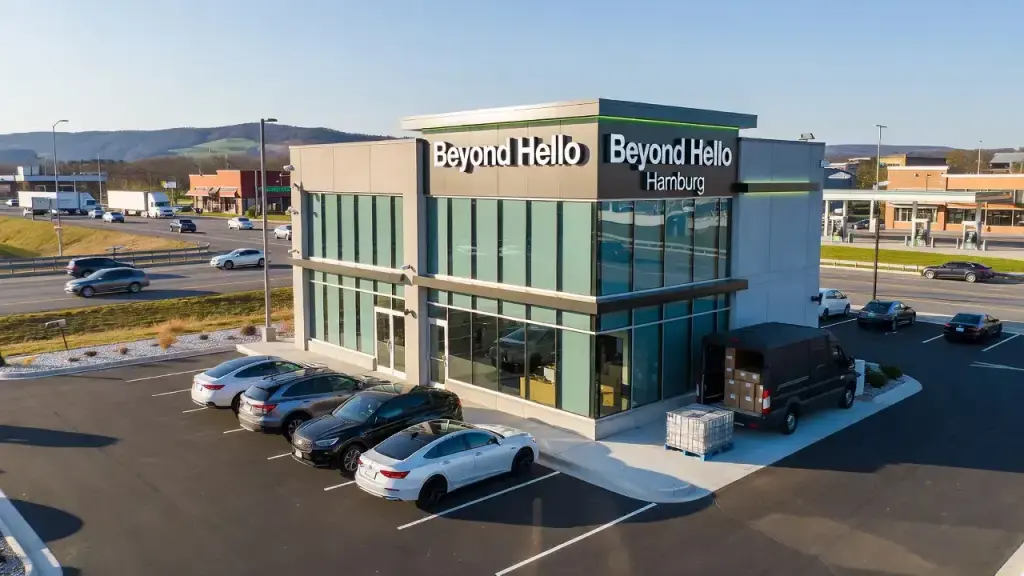
Jushi Holdings Inc. is moving one of its Pennsylvania medical marijuana dispensaries from Sansom Street to a new location in Hamburg, with patient service beginning November 13 and a public grand opening the following day. The shift, from an urban storefront to a highway-adjacent retail corridor in Tilden Township, Berks County, is a small-scale example of a broader retail calculation playing out across state-licensed cannabis markets: location matters as much as license count.
Why Relocation, Not Just Renovation
Dispensary relocations are not simple address changes. In Pennsylvania's medical marijuana program, moving a licensed facility requires regulatory approval, updated signage and security plans, and a transition period where the original location winds down while the new one ramps up inventory through the state's seed-to-sale tracking system. Jushi frames this move as part of "optimizing its Pennsylvania retail footprint," which is a polite way of saying the Sansom Street site no longer pencils out the way Hamburg does. That calculus typically comes down to foot traffic, visibility, parking, and proximity to a population base - not sentiment.
The new site sits near PA Route 61 and Interstate 78, in a commercial zone the company says draws more than two million visits a year from surrounding retail and dining traffic. For a medical cannabis dispensary, that kind of adjacent traffic matters less for impulse visits - patients still need a valid certification - and more for convenience and repeat-visit friction. A patient who has to detour off a main corridor is more likely to switch dispensaries than one who can combine a pickup with an existing errand.
What Multi-State Operators Weigh in Site Selection
Retail cannabis real estate decisions involve a different risk calculus than conventional retail leasing, largely because of federal illegality and the resulting limits on banking and financing. Operators still have to account for zoning buffers from schools and residential areas, local municipal approval processes that can be more restrictive than state rules, and the reality that landlords willing to lease to a cannabis tenant are a narrower pool than in most commercial categories. A relocation like this one likely reflects lease economics, local zoning accommodation, and regional demand patterns as much as any single factor.
- Regulatory sign-off required before a licensed dispensary can change physical address
- Inventory and compliance systems, including point-of-sale and track-and-trace reporting, must transfer cleanly to the new site
- Local zoning and municipal review can run independently of state licensing timelines
- Highway visibility and co-tenancy with established retailers can reduce patient acquisition friction
The Patient Access Angle
Pennsylvania remains a medical-only market, meaning every transaction at Beyond Hello Hamburg requires a qualifying patient or caregiver with valid state certification - there is no adult-use walk-in traffic to backstop slower periods. That distinction matters for how operators think about store count and placement. In medical-only states, dispensary economics depend heavily on patient retention and geographic coverage rather than tourism or casual demand, so a move that shortens driving distance for patients in Berks, Schuylkill, and nearby counties is also a retention strategy, not just a convenience upgrade.
Operators in regulated markets are also expected to maintain compliant packaging, verified lab testing documentation, and staff training on dosage and product handling, regardless of where a store sits on the map. None of that changes with a relocation - what changes is whether patients can reasonably get there.
A Narrow Move With Wider Signal
One dispensary relocation will not reshape Pennsylvania's medical cannabis retail map. But it is a useful data point on how operators are managing real estate decisions under financial pressure common across the sector - thin margins from state and federal tax treatment under Section 280E, limited access to conventional commercial lending, and continued scrutiny of site economics in markets where the per-store customer base is capped by patient registration rather than general population. Watching where operators choose to plant flags, and where they choose to pull them, tells you more about market health than press language ever will.